
Multi-year delays to connect to the electric grid interconnection delays create one of the biggest obstacles to European data centres’ growth ambitions. As operators scramble to maintain momentum, behind-the-meter (BTM) power generation is shifting from a worst-case contingency plan into a primary engine for project delivery and market momentum.
At the upcoming Data Center World Europe conference in Vienna (13-14 October), Heinz Nusser, CEO of Decision Advisory Group, will lead a panel discussion detailing the behind-the-meter playbook. Nusser emphasises that navigating this power crunch requires a shift in perspective: Rather than viewing sustainability goals and deployment speed as potentially opposing forces, Nusser believes the operators that thrive will be those who use BTM systems to bring localised, sustainable power to the grid, thus becoming a grid asset and thus accelerating their speed-to-power roadmaps.
The De-Bottlenecking Blueprint
BTM strategies are starting to gain massive momentum.
Energy research group EMBER show data centre power demand in Europe is expected to increase 150% by 2035. Utility grid operators are frequently struggling to keep up with power demands, with infrastructure improvements such as transformer station upgrades lagging years behind data centre construction timelines.
Nusser points out that this gap creates a massive commercial vulnerability during a facility's ramp-up phase, but it also presents an opportunity. "Imagine you have existing windmills nearby a site, and you have limited access to the power grid," he explains.
"You know that [the utility] will do a de-bottlenecking at the transformer station, but for those seven years, let's say three years of construction, you have four years of limited access. Why not use the windmills right beside your site, install a direct connection, and get it behind the meter into a battery system? Use it to de-bottleneck your ramp-up."
By establishing a localised microgrid during the early phases of construction and expansion, operators can bypass lengthy grid queues and insulate themselves from early-stage capacity restrictions.
"This is part of the solution," Nusser says. "It’s not a trade-off. The de-bottlenecking of on-site power availability includes the integration of local power sources, plus batteries, plus whatever gear you need to make all this base-load able."
A Fragmented Reality: US vs European Energy Mix
While BTM architecture is standard practice in North America, copying and pasting the US playbook into Europe is a regulatory impossibility. Many of the largest US projects use on-site natural gas-fired generators to power massive AI facilities independently from the grid.
In Europe, strict decarbonisation mandates and the fragmentation of both grid and municipal regulation makes the BTM model far more complex. "If you ask what's behind the meter in the US, they say, 'Well, that's gas engines,'" Nusser says. "If you ask in Europe, we say, 'Well, that's wind, photovoltaics, batteries... and something that is creating base-load ability."
This "base-load ability" is where the European model must innovate, especially when handling volatile AI workloads. Because wind and solar are intermittent, they can’t independently sustain continuous high-density computing. To achieve stable baseline power without relying on pure fossil fuels, European BTM portfolios are integrating alternative fuels like biogenic methane alongside advanced battery energy storage systems (BESS).
This hybrid infrastructure layer is critical for handling the sharp demand spikes intrinsic to AI training models. "In the future, you will have spikes in the power consumption that the grid will not be able or willing to serve," Nusser warns, "so you will have to have a reserve capacity on site. A battery is empty after a few minutes or hours. But if you can refill and provide energy on site, that's part of the solution. But it's brand new in Europe."
Data Centers as Community Asset Engines
While BTM strategies between Europe and North America differ, they share one major challenge: Increasing pressure from public scrutiny.
"The public can see that the data centre sector is generating enormous value," Nusser says. He warns that developments will fail to win local support if communities feel the project is only about hear about "profit, profit, profit" and not how it will protect and benefit the community.
The solution to overcoming community resistance lies in changing what the data centre gives back to its host municipality. Because data centres are capital-intensive, high-paying clients to regional or national utilities, they possess unique financial leverage to push grid operators to accelerate local grid upgrades. Data centres could then be seen as accelerating power infrastructure improvements the market and community need.
"Data centres should be the icebreaker of your municipality," Nusser suggests. "Because you're a paying client and you're willing to pay for that de-bottlenecking measure, that lets the municipality allocate that power to other commercial sectors, companies, or whoever else. The neighbourhood will only accept this development if it's sustainable—meaning people, planet, and profit."
BTM can support that effort by providing power back to the grid, or reducing data centre use during peak demand, thus becoming a grid resource and not a drain. Ultimately, behind-the-meter generation is evolving from a technical isolation strategy into a model of deep grid ecosystem integration. It forces a shift away from traditional, passive power procurement toward an active, localised energy generation portfolio.
Join the Discussion With Us in Vienna
For operators, facility managers, consultants, and vendors across Europe, understanding the regulatory, financial, and technical levers of BTM is a central part of data centre deployment and management.
At Data Center World Europe, Nusser will take the stage alongside industry leaders from Rystad Energy, Turboden, and NTT Global Data Centers to dive deep into these strategies.
"I love to have a discussion on stage," says Nusser. "I will ask the auditorium: if you have questions while we speak, raise your hand, because then we have a lively discussion: I'm ready to involve everybody!"
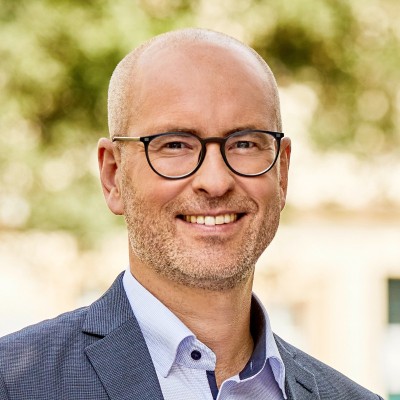 Heinz Nusser, CEO, Decision Advisory Group